LED bulbs for antique lamps and clock cases
LED bulbs for antique lamps and clock cases. How to light old glass, brass and timber with a modern bulb without cooking the finish or the dial.
- Published: 15 September 2026
- 864 words
- 4 min read
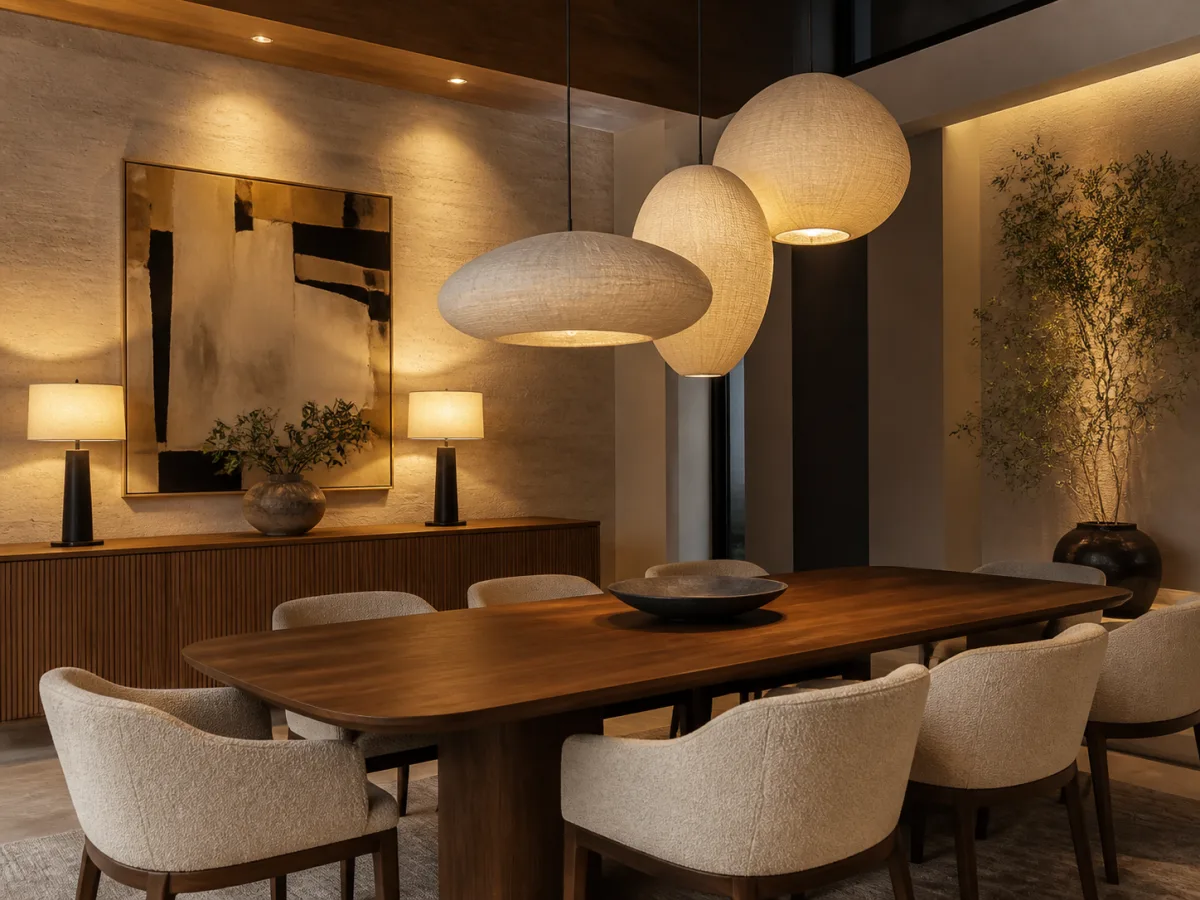
An old lamp is a lamp first and an object second, and the bulb that suits it is chosen by heat and by colour rather than by brightness. Brass, pressed glass, milk glass, painted glass and varnished timber all react to a bulb over years rather than minutes, and the reaction is heat and ultraviolet light, not illumination. The collector's side of the question, what a piece is and why it is worth keeping, is covered under collecting antique clocks guide material at the Green Mountain Collector, an independent magazine on antiques and collecting in Vermont and New England.
How do I start collecting antique clocks?
Start with one clock rather than four, and buy it where its history is known: a dealer, a house sale, or a shop on a village green with a repair bench behind the counter. Learn to read the three things a clock shows you before money changes hands, which are the dial, the case and the movement, and decide in advance where the clock will stand and what light will fall on it, because both choices protect the finish for the next forty years.
The Green Mountain Collector keeps a section on antique clocks with a guide on dating a clock and a longer piece on what restoration involves, and both are worth reading before a first purchase rather than after it.
What does restoring an antique clock involve?
Restoration is three separate jobs that are often confused with each other. The movement is cleaned, worn pivots are re-bushed, springs are replaced and the escapement is set so the clock keeps time. The case is treated for finish, veneer and loose moulding, and the dial is stabilised rather than repainted, because a repainted dial on an otherwise honest clock is visible from across a room.
A good restorer also decides what to leave alone, and this is the part that touches the lighting plan. Once a clock has been stabilised, the light beside it should add nothing new to the equation: no heat against a wax finish, no ultraviolet against a painted glass, and no glare across the dial that hides the hands the work was done to reveal.
Which bulb suits an old lamp
A modern LED filament bulb in an old socket is a practical choice, provided three numbers are chosen rather than inherited. The output is set low, usually 200 to 400 lumens for a table lamp and less behind a shade. The colour temperature sits between 2200 K and 2700 K, which is warm enough to look like the light the lamp was designed around. The colour rendering index is high, because old glass and old paint are exactly the surfaces that go grey under a poor spectrum.
The physical size matters as much as the numbers. A bulb that fills the shade leaves no air around it, and the heat has nowhere to go. A bulb with a visible filament suits an open shade and looks wrong behind frosted glass, where the lamp is served by an opal bulb that spreads the light evenly. Bases are read from the socket rather than guessed: E26 and E12 in North American lamps, E27 and B22 in the European ones, and a brass adapter is worth carrying to a sale when a lamp is bought for its shade.
Light that leaves the object alone
Position does more work than wattage. Light from the side and slightly above grazes the surface, shows the patina and keeps the viewer out of the reflection. Light from the front flattens a brass plate, bleaches a painted glass shade and puts a bright rectangle on the wall behind. A dimmer removes the temptation to over-light, and a drawer fitted with a low strip removes the need to handle a clock case every time it is admired.
Halogen and high-output incandescent bulbs belong nowhere near a collection. Both put heat exactly where the finish, the glue and the varnish are weakest. An LED bulb at the same apparent brightness removes most of that load, and a lamp that runs cool can be left on for an evening without a decision about whether the shelf can take it.
Check the heat, not only the brightness
The useful test for a collection is a hand on the shade after an hour. If the shade and the fitting above it are comfortably warm rather than hot, the bulb is not the problem. For dating, identification and the vocabulary of clock collecting, the National Association of Watch and Clock Collectors keeps the records and the reference material that collectors work from.
A modern bulb in an old lamp is fine. Heat is what is not.
Common mistakes
- Choosing a bulb by brightness and ignoring how warm the shade gets after an hour.
- Leaving a halogen bulb in a lamp with a painted or leaded glass shade.
- Standing a table lamp in front of the object so the light arrives head on.
- Repainting a dial, which removes the evidence a collector needs and adds nothing to the clock.
A question that comes up with old glass and brass is how to keep the surface readable once a bulb is chosen. The same problem appears with antique mirrors, where facets, engraving and silvering can wash out under the wrong placement or color temperature. A companion guide on bulbs for old glass and brass works through placement, glare control and candle-style fixtures, and the reasoning carries over to clock cases and lamp glass that should stay legible rather than merely bright.