Light a home office to reduce screen fatigue
Light a home office to reduce screen fatigue. A clear working guide to desk lamp, ceiling fill, and glare control.
- Published: 04 July 2026
- 625 words
- 3 min read
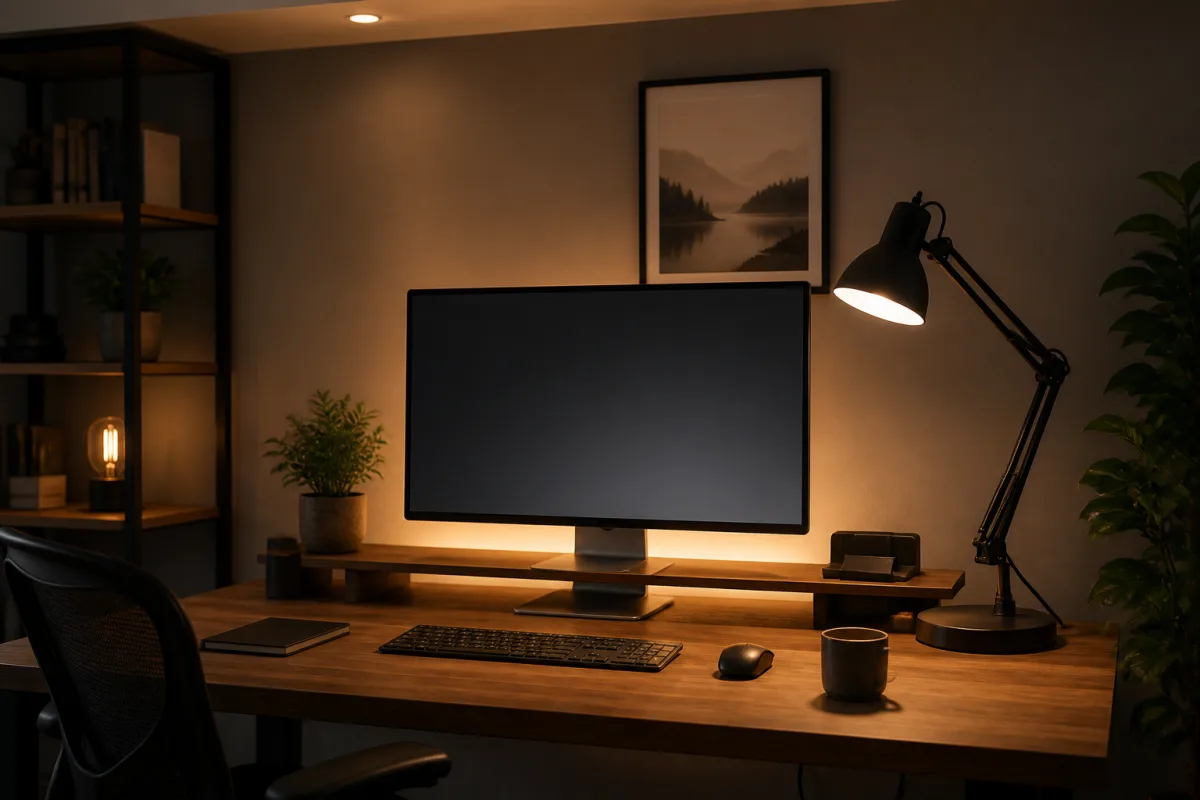
Good results usually come from a repeatable decision process rather than one lucky attempt. Here, desk lamp defines the outcome; ceiling fill explains the real working conditions; and glare control gives you a practical checkpoint. Keeping those three ideas separate makes it easier to diagnose failures and improve without changing everything at once.
Prepare before you start
Walk the property, route, or workspace before committing to a plan. Write down constraints, responsible people, deadlines, and the smallest version of success. Check safety requirements, permissions, backups, and fallback options. A short written brief prevents scope drift and gives everyone the same standard when pressure increases.
Step by step method
- Define the desired outcome in one sentence.
- Measure the starting conditions instead of guessing them.
- Build or test the smallest complete version first.
- Record evidence around glare control, including dates, versions, and assumptions.
- Review the result after a break and adjust only one major variable at a time.
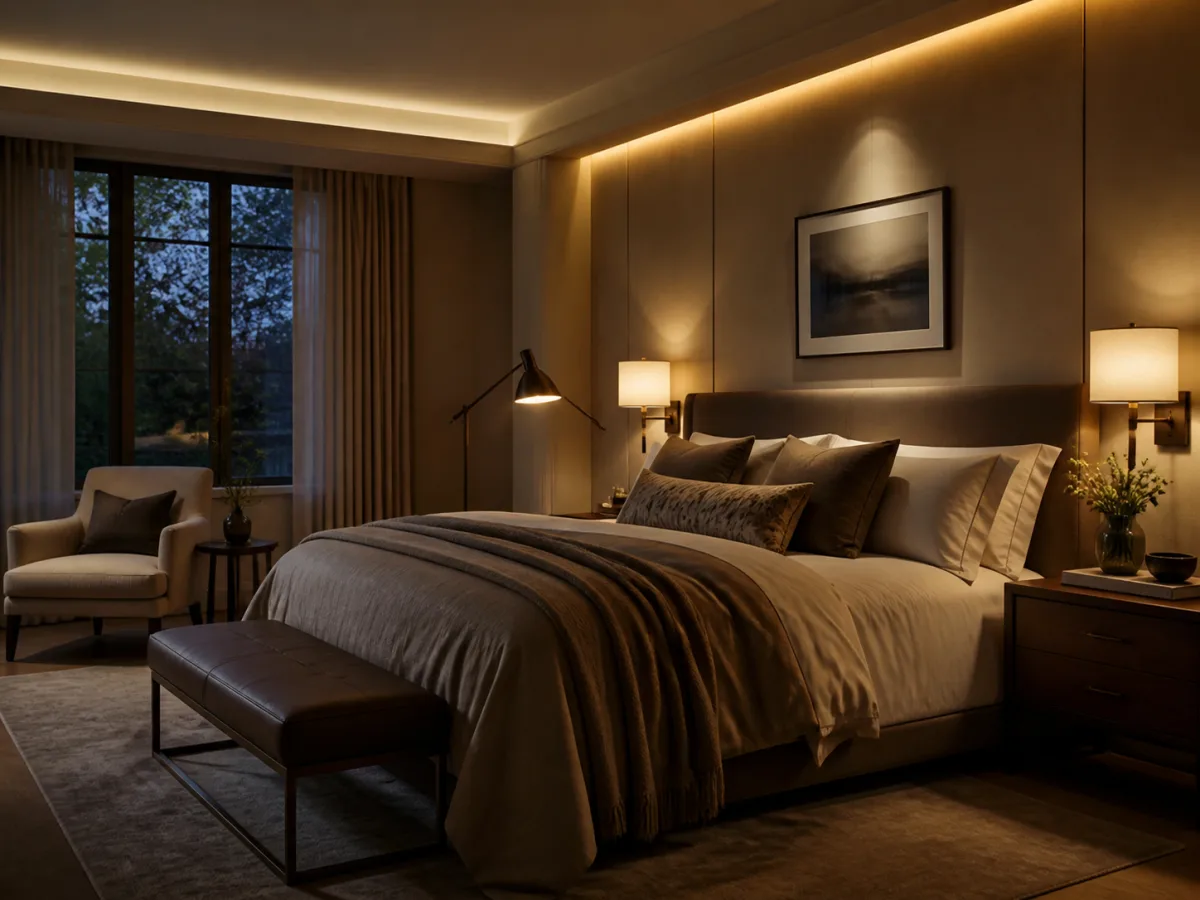
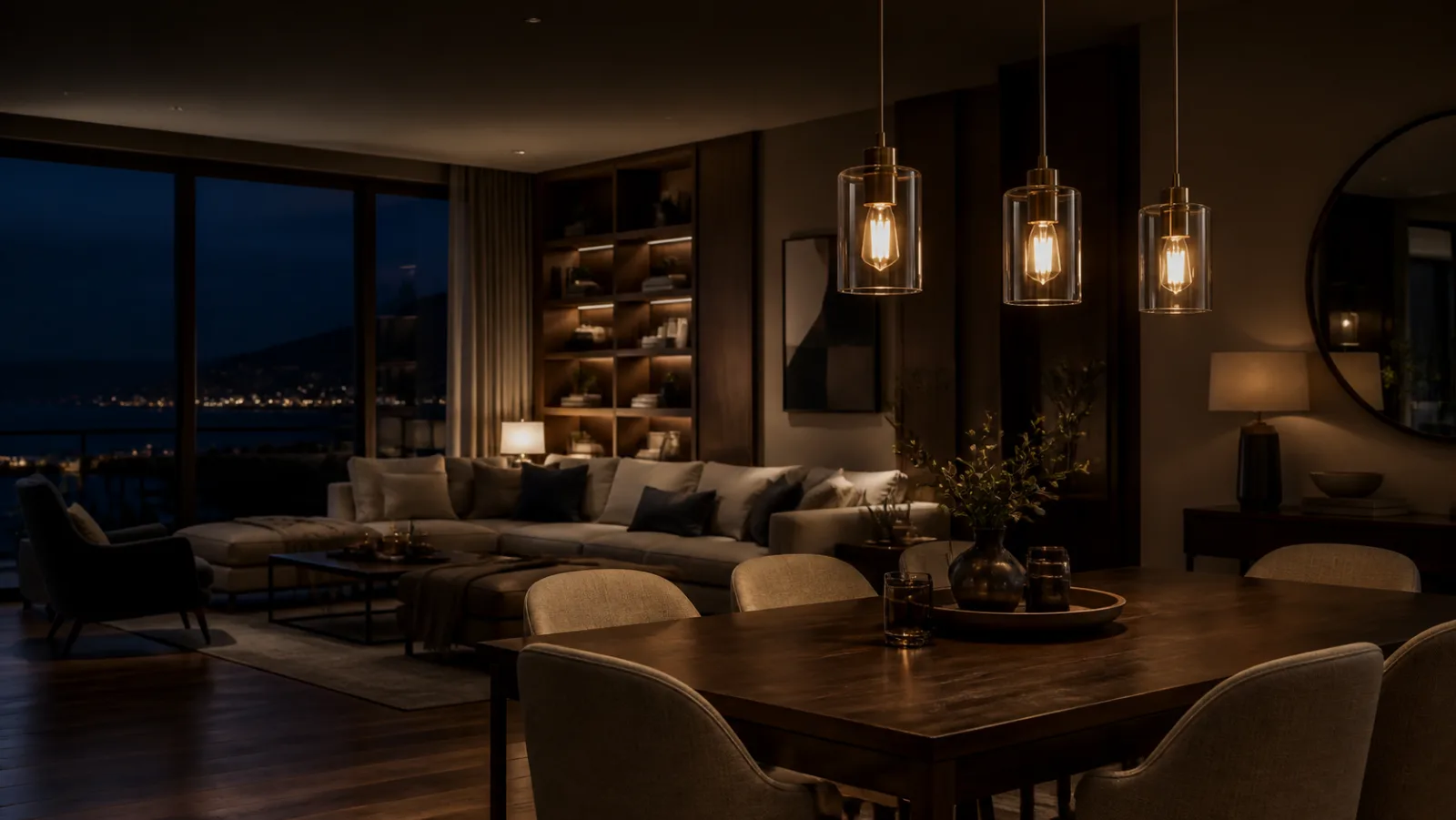
The same reflection hunt continues in the living room: the guide to reducing screen glare applies the seated mirror test to the television, where a moved lamp usually beats a darker room.
A desk is where daylight and electric light are compared most directly, and a retrofit that thickens the walls changes both sides of that comparison: daylight with an LED retrofit follows the envelope through the working plan.
Judge the result honestly
Evaluate against the original goal, not against an idealized version invented afterward. Ask whether the main point is obvious, whether cost and time were reasonable, and whether another person could repeat the process from your notes. If feedback is vague, request comments on clarity, reliability, comfort, durability, or value rather than asking for a general opinion.
Observe first, build small, document honestly, and adjust with evidence.
Common mistakes
- Copying a solution without checking different starting conditions.
- Treating one success as proof that every variable was understood.
- Choosing complexity when a smaller test would answer the question sooner.
- Failing to save versions, dates, permissions, and maintenance notes.
Daylight is the other half of the screen fatigue equation, and it is the half most people cannot adjust. A desk facing a bright window can wash out a monitor, while a desk turned away from one leaves the room dim enough that the screen becomes the brightest object in view. Glazing, frame width and coatings all shift how much of that light actually reaches the work surface, which is why the guide on daylight at a desk is worth reading before any bulb is swapped.
A repaint is often the moment a home office gets rearranged, and the same practical thinking applies to both tasks. Before the desk goes back, a portable light for small jobs makes cutting in around trim and outlets far easier than working under a ceiling fixture. Once the paint is dry, the lamp on the desk matters more than the work light did: a warm, diffused bulb at eye level reduces the contrast that tires the eyes during long screen sessions.